Crying: A Script Font for Artisan Branding
In the world of graphic design, the right typography can whisper authenticity or shout sophistication. For projects that demand a touch of handcrafted elegance and rhythmic flow, the Crying script font emerges as a compelling solution, balancing calligraphic tradition with a warm, organic aesthetic.
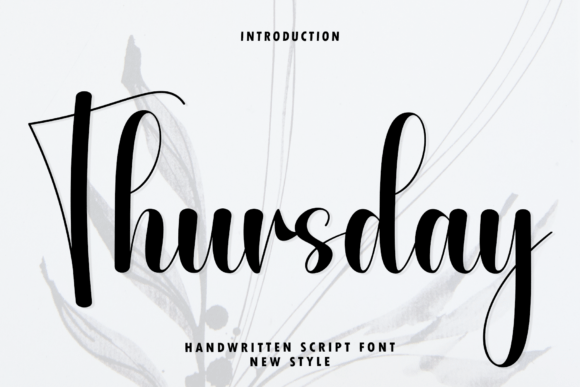
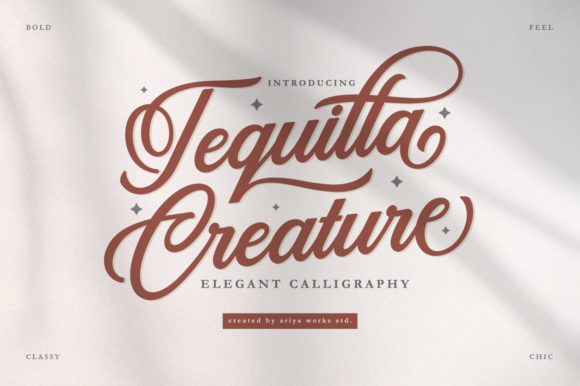
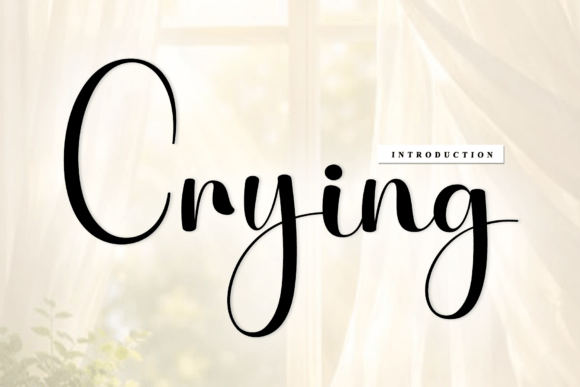
At its core, Crying is a sophisticated script typeface defined by its sweeping, looping ascenders. These flourishes create a sense of customized, artisanal artistry, making it far more than a simple decorative font. It’s a design asset built for visual communication that needs to feel personal, premium, and intentional. In modern branding, where consumers crave authenticity, such details in typography can significantly strengthen a brand identity, making logos and headlines feel more approachable and human.
Practical Applications for Visual Impact
The true value of a creative asset like Crying lies in its application. Its rhythmic style makes it a premier choice for specific design contexts where storytelling and aesthetic appeal are paramount. Consider its role in elevating the following projects:
- Artisanal Food & Beverage Branding: Perfect for logos, packaging, and labels for bakeries, coffee roasters, or craft breweries, where it communicates handmade quality and care.
- Boutique Product Packaging: Enhances the unboxing experience for luxury candles, skincare, or specialty goods, adding a layer of upscale lifestyle marketing.
- Creative Editorial Titles: Grabs attention in magazine layouts, book covers, or blog headers, setting a sophisticated tone for feature stories.
- Upscale Lifestyle Marketing: Ideal for social media graphics, digital ads, and website banners promoting high-end fashion, wellness, or interior design services.
- Invitations & Stationery: Brings a personalized, elegant touch to wedding suites, event invitations, and thank-you cards in both print and digital formats.
When integrating a display font like Crying into a broader visual design system, readability is key. It excels as a headline or accent font but should be paired with a clean, highly legible sans-serif or serif for body text to maintain a clear visual hierarchy and ensure accessibility across web design and UI design elements.
Integrating Script Fonts into Your Design Workflow
Selecting a script font is just the first step. To use Crying effectively and maintain a professional presentation, follow these design workflow tips:
- Context is Crucial: Evaluate if the font’s personality aligns with your audience expectations and project goals. Its artisanal feel suits certain brands but may not fit a corporate financial report.
- Prioritize Scalability: Test the font at various sizes. Ensure its looping details remain clear and don’t become cluttered when used in small digital formats or large-scale print design.
- Harmonize Your Palette: Consider how the font interacts with your color palette and imagery. Its warm aesthetic pairs well with earthy tones, muted pastels, or rich, deep colors for a cohesive look.
- Use Sparingly for Emphasis: Employ it strategically for key phrases, logos, or call-to-action buttons to draw the eye without overwhelming the overall composition.
Thoughtful typography is a cornerstone of effective graphic design and visual communication. A well-chosen creative asset does more than decorate; it conveys emotion, establishes credibility, and guides the viewer’s experience. By making deliberate choices about fonts, color, and layout, designers and creators can transform a simple message into a resonant and professional brand narrative, ensuring every touchpoint communicates with clarity and style.