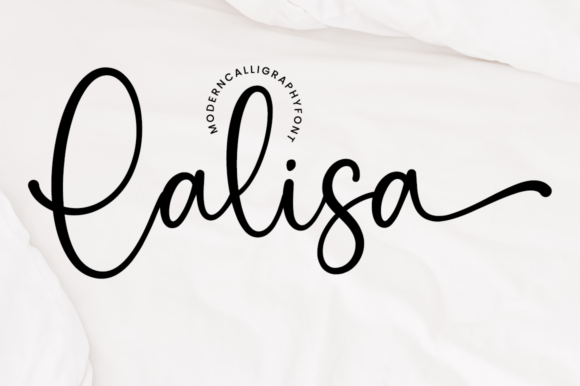
Lalisa: Elevating Design with Elegant Script Typography
The right typeface can transform a simple message into a memorable visual statement, and Lalisa script font is a prime example of this transformative power in modern graphic design. This lovely, delicate font exudes a timeless elegance and class, specifically crafted for designers who seek a beautiful and refreshing aesthetic for their projects. Its fluid, graceful letterforms offer an immediate sense of sophistication, making it a valuable creative asset for anyone looking to elevate their visual communication.
Understanding the Essence of Lalisa
Lalisa is more than just a pretty script; it's a tool designed for practical application. Its PUA encoding is a significant feature, granting users seamless access to all glyphs and swashes. This means designers can easily incorporate decorative alternates and flourishes without complex software workarounds, streamlining the design workflow and unlocking greater creative potential. In the realm of typography, such accessibility is crucial for efficient and expressive design.
Practical Applications Across Creative Projects
The versatility of a well-designed script font like Lalisa allows it to shine across numerous applications, each benefiting from its unique character. Its primary strength lies in projects where personal touch, elegance, and a premium feel are paramount.
- Branding and Logo Design: Lalisa can create distinctive, handwritten-style logos and brand marks for boutiques, beauty brands, wedding services, and luxury products. It helps establish a brand identity that feels personal, artisanal, and high-end.
- Marketing Materials & Advertising: From social media graphics to digital ads, Lalisa adds a touch of class to headlines and callouts. It works exceptionally well for creating visual hierarchy, drawing the eye to key messages in a sea of content.
- Editorial and Web Design: Use Lalisa for pull quotes, article headers, or decorative text in editorial layouts and website banners. It introduces a dynamic contrast to clean sans-serif body text, enhancing the overall user experience and visual flow.
- Packaging and Merchandise: Product packaging, labels, and merchandise (like tote bags or mugs) gain an artisanal, bespoke quality with script typography. Lalisa’s clarity ensures readability even at smaller sizes on physical products.
- Digital Products and Presentations: Elevate PDF guides, e-book covers, or slide deck titles. A sophisticated font sets a professional tone, improving the perceived value and engagement of digital content.
Integrating Script Fonts Effectively into Your Design Workflow
While a font like Lalisa is visually striking, effective use requires thoughtful integration. Consider these tips for maximizing impact:
- Prioritize Readability: Script fonts are best used for headlines, logos, and short phrases. Avoid setting long paragraphs in intricate script, as it can hinder readability and user experience.
- Establish Visual Hierarchy: Pair Lalisa with a simple, neutral sans-serif or serif font for body copy. This contrast creates a clear, professional visual hierarchy, guiding the viewer’s eye naturally through the content.
- Context is Key: Align the font’s personality with your audience and project goals. Lalisa’s elegant style suits wedding invitations, beauty branding, and luxury marketing but may feel out of place in a corporate tech report.
- Test for Scalability: Ensure the font remains legible across different sizes and mediums, from a small social media icon to a large printed banner. Check how swashes and ligatures render in your specific design context.
In the dynamic landscape of graphic design and digital marketing, the tools you choose directly influence your creative output and brand perception. Thoughtful typography is a cornerstone of effective visual communication, capable of evoking emotion, conveying brand values, and enhancing clarity. By selecting high-quality, purpose-built creative assets like the Lalisa font, designers and creators can efficiently produce polished, professional work that resonates with audiences and stands out in a competitive visual environment. Investing in such resources is an investment in the quality and impact of every design project.