Planberry: A Charming Handwritten Font for Modern Design
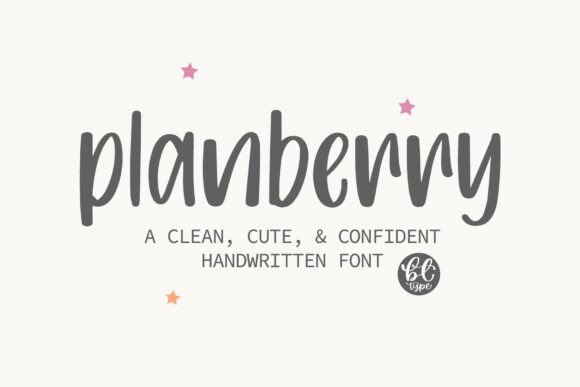
In the world of digital design, the right typeface can transform a project from simple to stunning. Meet Planberry, a clean, cute, and confident handwritten font crafted to inject personality and clarity into your creative work. This isn't just another script; it's a versatile tool designed for the modern creator, blending playful charm with professional neatness to elevate everything from digital planners to brand identities.
For graphic designers and creators, typography is a cornerstone of visual communication. A font like Planberry serves a specific and valuable role: it provides an authentic, human touch that sterile sans-serifs often lack. Its legibility and friendly demeanor make it exceptionally useful for projects where connection and warmth are key. This balance of style and function is what makes it a noteworthy asset in a crowded market of creative resources.
Practical Applications Across Creative Projects
The true value of a typeface is revealed in its application. Planberry’s design allows it to shine across a diverse range of visual design contexts, helping to strengthen brand identity and improve user engagement.
- Branding & Logo Design: Use it for logotypes, brand marks, or taglines to convey approachability and creativity. It’s perfect for lifestyle brands, artisanal products, or any identity seeking a personal, crafted feel.
- Marketing & Social Media Graphics: Create eye-catching quotes, call-to-action buttons, or story overlays. Its clarity ensures messages are readable even on small screens, enhancing social media content and digital marketing assets.
- Digital & Print Design: From website headers and UI accents to editorial layouts and packaging design, Planberry adds a cohesive handwritten element. It’s ideal for product labels, wedding stationery, or presentation slides that need a touch of elegance.
- Creative & Educational Tools: As noted, it excels in digital planners, bullet journals, and teacher notes. Its neat yet playful script supports learning materials and organizational tools, making information more engaging and accessible.
Integrating Fonts into a Cohesive Design Workflow
Selecting a typeface is just the first step. Effective integration requires considering the broader design system. When using a distinctive font like Planberry, think about its role in your visual hierarchy. It often works best as a display or accent font paired with a highly readable sans-serif or serif for body text. This creates a balanced composition that guides the viewer’s eye naturally.
Consistency is paramount. Establish clear guidelines for where and how the font will be used to maintain brand identity across all touchpoints. Test its scalability—ensure it remains legible when scaled down for fine print or enlarged for a billboard. Always consider your audience’s expectations; a playful handwritten font may suit a boutique bakery’s branding but might be less appropriate for a corporate law firm’s official documents.
Tips for Evaluating Creative Assets
When sourcing fonts or other design assets, look beyond the surface. Evaluate the technical quality: Are the letterforms clean? Does it include essential punctuation and multilingual support? Consider the file formats and licensing to ensure compatibility with your design workflow and project scope, whether for personal use or commercial advertising campaigns.
Ultimately, the most impactful designs are those where every element, from color palette to typography, works in harmony. Thoughtful design choices, powered by high-quality creative assets, do more than please the eye—they communicate more effectively, build stronger connections, and elevate the perceived value of any project. Investing in tools that enhance both aesthetics and functionality is a fundamental step toward professional, resonant visual communication.