Black Window: The Artisanal Script for Premium Branding
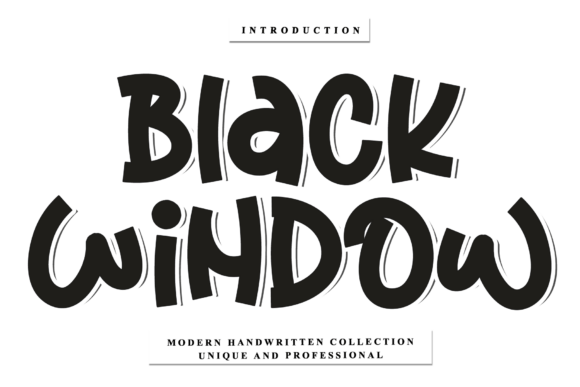
In a marketplace saturated with digital noise, a font like Black Window cuts through with the quiet confidence of a hand-lettered signature. This isn't just another script typeface; it's a sophisticated design tool crafted to inject warmth, rhythm, and a bespoke feel into any visual project. For graphic designers and brand strategists seeking to elevate a visual identity, Black Window offers a unique blend of calligraphic elegance and contemporary flair, making it a premier creative asset for high-end applications.
Understanding the Aesthetic Impact
At its core, Black Window is defined by its sweeping, looping ascenders and a rhythmic, flowing baseline. This creates a powerful sense of artisanal artistry and customized care. Unlike rigid, geometric fonts, its organic curves communicate authenticity, craftsmanship, and a human touch. This makes it exceptionally effective for visual communication where building an emotional connection with the audience is paramount. Its design naturally guides the eye, creating a dynamic visual hierarchy that can make headlines, logos, and key messages truly stand out.
Practical Applications in Design and Marketing
The versatility of Black Window extends across numerous creative projects and platforms. Its premium aesthetic makes it particularly suited for specific industries and uses where quality and sophistication are key brand values.
- Branding and Logo Design: It excels in creating memorable wordmarks for boutique businesses, artisanal food brands, craft breweries, luxury spas, and upscale lifestyle products. The font becomes a central element of the brand identity, conveying core values of quality and uniqueness.
- Packaging Design: On shelf or in digital storefronts, Black Window adds instant perceived value. It's ideal for labels on gourmet goods, cosmetics, specialty beverages, and boutique merchandise, transforming packaging into a tactile experience.
- Marketing and Social Media Graphics: Use it for impactful hero text on websites, elegant invitation cards, upscale menu designs, and social media posts that need to stop the scroll. It performs beautifully in digital marketing assets where a personal, premium tone is desired.
- Editorial and Web Design: While best used sparingly for maximum impact, it can elevate magazine titles, blog headers, and website section headings. In UI design, it might serve for a single, impactful call-to-action button or a splash screen logo, always ensuring readability remains the priority.
Integrating Black Window into Your Design Workflow
Successfully implementing a script font like Black Window requires thoughtful consideration within your broader design system. Here are key factors to ensure it enhances rather than hinders your work:
- Context is King: Always align the font's personality with your project's goals and target audience. Its formal, artisanal style is perfect for a wedding planner's brand but might feel out of place for a children's toy company.
- Pairing for Balance: To maintain readability and visual hierarchy, pair Black Window with a clean, simple sans-serif or serif font for body copy. This contrast allows the script to shine in headlines while ensuring longer text remains easy to read.
- Color and Composition: The font works exceptionally well with sophisticated color palettes—think deep neutrals, muted pastels, or rich jewel tones. Ample white space around its letterforms is crucial to let its elegant details breathe and prevent visual clutter.
- Scalability and Legibility: Test the font at various sizes. Script fonts can lose legibility when scaled too small. Use it at larger sizes for headlines and logos to preserve its intricate beauty and ensure it communicates effectively across both print design and digital screens.
In the ever-evolving landscape of design trends, choosing the right typography remains a fundamental pillar of professional presentation. A resource like Black Window is more than a creative asset; it's a strategic tool for visual storytelling. By understanding its strengths and applying it with intention, designers and creators can craft compelling narratives, build stronger brand identities, and deliver polished, impactful results that resonate deeply with their intended audience. Thoughtful selection of such elements is what separates good design from truly great communication.